The Westfjords
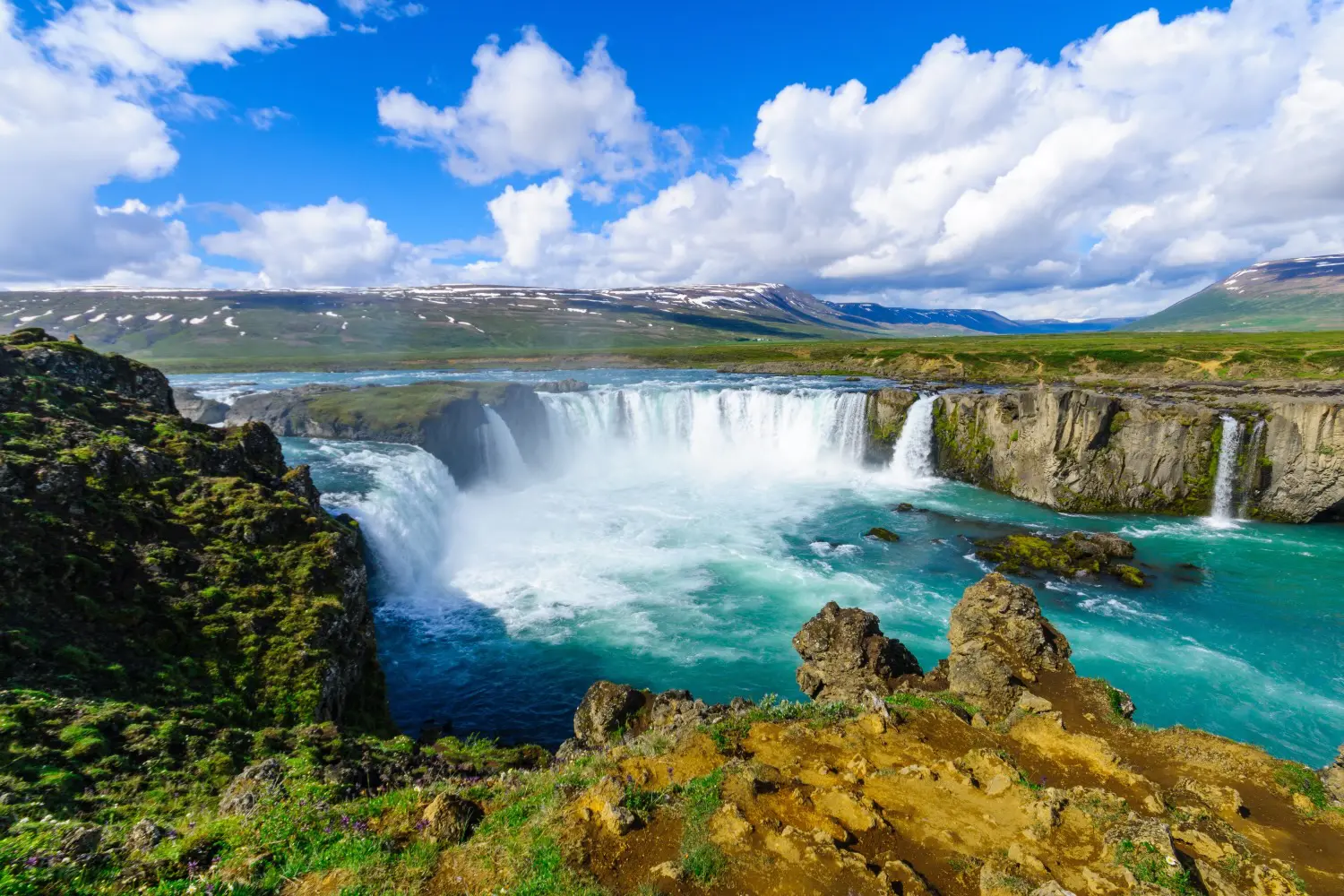
PortThe Westfjords (Vestfirðir) is Iceland's most remote and dramatic peninsula, a vast wilderness of deep fjords, towering cliffs, and vast open tundra jutting into the North Atlantic in the northwest of the country. Largely untouched by mass tourism, the region is renowned for its extraordinary natural scenery, including some of Iceland's highest sea cliffs at Látrabjarg — home to millions of seabirds — and the sweeping tidal flats of Rauðasandur beach with its unusual red and golden sands. The area is sparsely populated, with the largest town being Ísafjörður, a charming historic port nestled deep within a fjord. The Westfjords are prized by adventurous travelers seeking solitude, dramatic landscapes, hiking, birdwatching, and encounters with Arctic foxes and other wildlife. Accessibility is limited — roads are narrow, mountain passes can close in winter, and the region sees far fewer visitors than Iceland's more famous attractions — which only adds to its appeal for those seeking an authentic, off-the-beaten-path Icelandic experience. Iceland as a whole is one of the world's most LGBTQ+-friendly countries, with same-sex marriage legal since 2010 and strong protections in law, though dedicated LGBTQ+ venues are concentrated in Reykjavík rather than the rural Westfjords.
PortThe Westfjords (Vestfirðir) is Iceland's most remote and dramatic peninsula, a vast wilderness of deep fjords, towering cliffs, and vast open tundra jutting into the North Atlantic in the northwest of the country. Largely untouched by mass tourism, the region is renowned for its extraordinary natural scenery, including some of Iceland's highest sea cliffs at Látrabjarg — home to millions of seabirds — and the sweeping tidal flats of Rauðasandur beach with its unusual red and golden sands. The area is sparsely populated, with the largest town being Ísafjörður, a charming historic port nestled deep within a fjord. The Westfjords are prized by adventurous travelers seeking solitude, dramatic landscapes, hiking, birdwatching, and encounters with Arctic foxes and other wildlife. Accessibility is limited — roads are narrow, mountain passes can close in winter, and the region sees far fewer visitors than Iceland's more famous attractions — which only adds to its appeal for those seeking an authentic, off-the-beaten-path Icelandic experience. Iceland as a whole is one of the world's most LGBTQ+-friendly countries, with same-sex marriage legal since 2010 and strong protections in law, though dedicated LGBTQ+ venues are concentrated in Reykjavík rather than the rural Westfjords.